Skin Fade vs Low Taper Fade: A Vaughan Barber’s Breakdown

Published Updated
These two cuts get requested constantly at our Weston Road location and they get mixed up just as often. Guys ask for a skin fade and mean a taper. Guys ask for a taper and end up with more skin than they wanted. The confusion is understandable because both involve graduated length on the sides, but the execution, the maintenance, and the overall visual impact are meaningfully different.
Here is how a barber in Vaughan who executes both daily actually thinks about the difference.
What a Skin Fade Actually Is
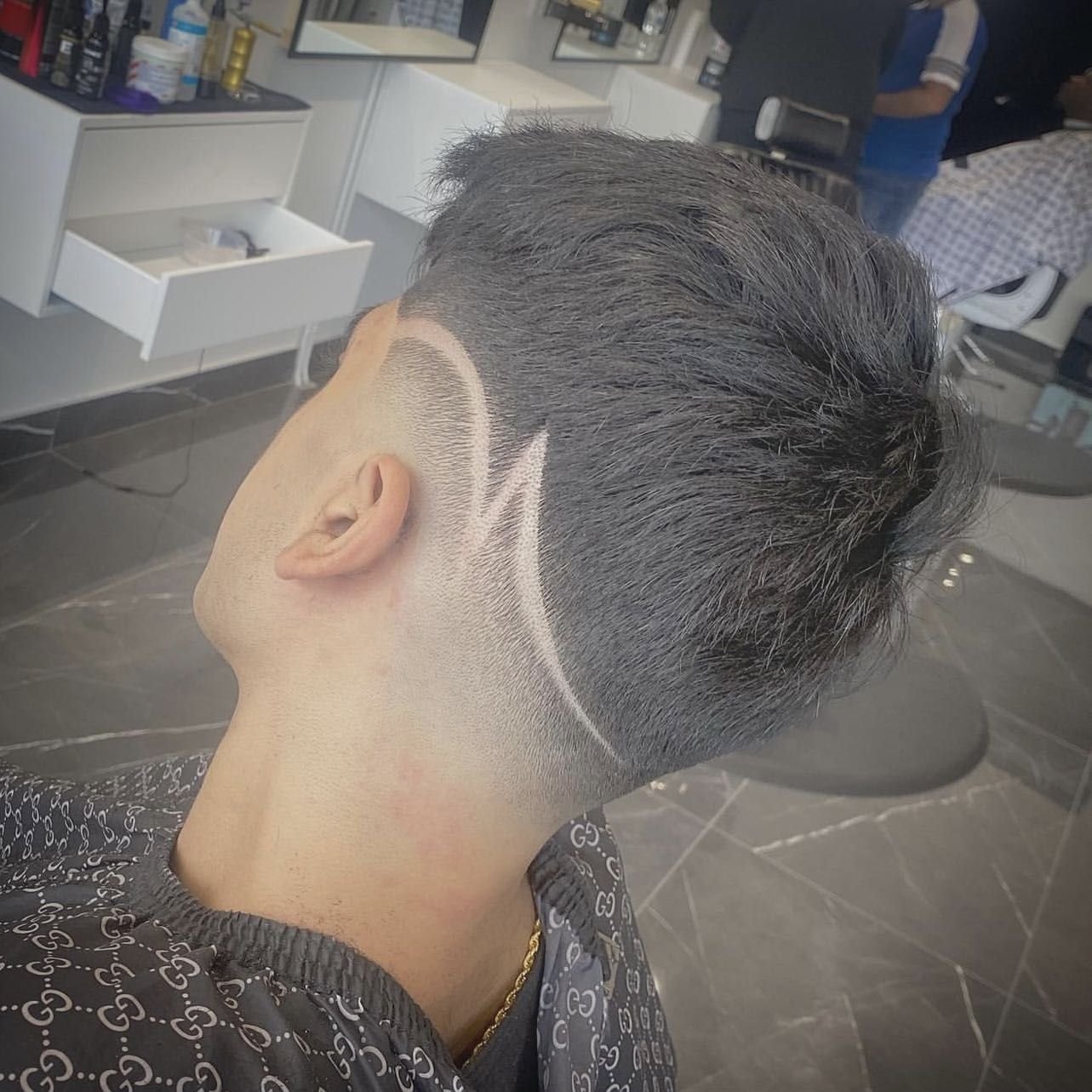
A skin fade takes the hair all the way down to bare skin at the lowest point of the cut, typically at the temples and around the ears, then gradually transitions into longer hair as it moves up the head. The defining characteristic is that strip of skin. It creates a sharp, high-contrast look that is clean from across the room and demands regular maintenance to keep it looking right.
The placement of where the skin starts is what determines whether you have a low skin fade, a mid skin fade, or a high skin fade. A low skin fade starts just above the ear and stays close to the natural hairline. A mid skin fade hits around the temple line. A high skin fade begins well above the temple, taking skin over most of the sides and back.
Skin fades grow out fast. That strip of skin starts showing stubble within five to seven days depending on your growth rate, and within two weeks the entire visual impact of the cut starts softening. If you want to keep a skin fade looking sharp, you are looking at a cleanup every two to three weeks at minimum.
What a Low Taper Fade Actually Is
A low taper fade graduates the hair length without going all the way to skin. The hair gets progressively shorter as it moves down the sides and back, but the lowest point still has some hair on it rather than exposing skin. The transition is smoother and more gradual, and the overall look is more conservative and professional without sacrificing the clean, structured feel that makes fades popular.
The low taper specifically keeps the fade action concentrated just above the ear and neckline. This makes it one of the most versatile options available because it works in a corporate environment where a high skin fade might read as too aggressive, but still looks modern and intentional rather than just a standard trim.
Because it does not go to skin, a low taper grows out more gracefully. You get three to five weeks out of it before it starts losing its shape significantly, compared to the two-week window on a skin fade.
How to Choose Between Them
The right choice depends on three things. First, your lifestyle. If you are in a client-facing professional role or a corporate environment, the low taper usually lands better. If you are in a creative field or a more casual work environment, the skin fade gives you more visual impact without any professional penalty.
Second, your maintenance commitment. Be honest about how often you are actually going to come in. A skin fade that has grown out past its window looks worse than a low taper at the same stage. If you know you are going to stretch your appointments to four or five weeks, the low taper is the smarter choice.
Third, your head shape. Skin fades work best on heads with good structure because the exposed skin draws attention to the shape of your skull. If you have a head shape that you are less confident about, the low taper keeps things looking clean without putting that structure under a spotlight.This is exactly the kind of thing a consultation with your barber resolves quickly. Our guide on the best haircut for your face shape covers how head and face shape factor into these decisions.
The Technical Difference From a Barber's Perspective
Executing a clean skin fade is more technically demanding than a low taper. Getting the skin to blend seamlessly into longer hair requires lever control, guard switching, and clipper-over-comb technique working together without leaving any visible lines or shelves in the transition zone. A visible line in a skin fade is immediately obvious and hard to correct without taking more length.
A low taper is more forgiving technically but still requires clean blending to look right. The goal with either cut is the same: a transition that looks like it happened naturally rather than one with a visible seam between lengths.
Which One Is More Popular in Vaughan Right Now
At our barber shop in Vaughan on Weston Road, mid skin fades are the most requested right now followed closely by low tapers. The low taper has seen a significant uptick in 2026 specifically from guys who were getting skin fades but wanted something that held its shape longer between visits. The textured crop pairs equally well with both, which is part of why both styles are trending simultaneously.
If you are still not sure which one fits your situation, our full breakdown of taper vs fade haircuts goes deeper on the distinction and helps you walk into your appointment with a clear answer.